Rethinking Foundations in DIFC: What Ministerial Decision No. 261 of 2024 Means for Legacy Structures in the UAE
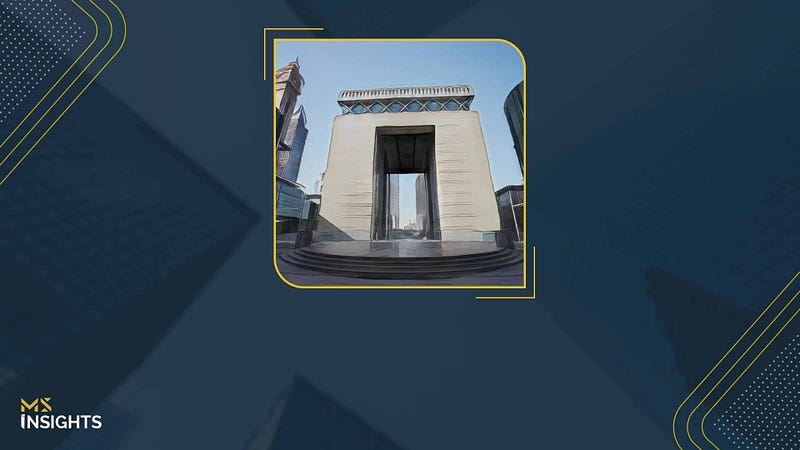
Rethinking Foundations in DIFC: What Ministerial Decision No. 261 of 2024 Means for Legacy Structures in the UAE
The UAE’s evolving tax and regulatory environment continues to open new doors for structured wealth planning. The introduction of Ministerial Decision №261 of 2024 is one such landmark update — offering a fresh pathway for tax transparency and operational efficiency through Unincorporated Partnerships. For families with existing private structures, particularly those considering foundation setup in DIFC, this shift offers both opportunity and responsibility.
The Unincorporated Partnership regime introduces a unique blend of pass-through taxation and simplified structuring. Yet, for it to be truly effective, family offices and private wealth managers must understand its implications from legal, tax, and legacy perspectives.
What Are Unincorporated Partnerships in the UAE?
Unincorporated Partnerships (UPs) are contractual arrangements between two or more parties agreeing to operate a business together — without creating a separate legal entity. While UPs do not have legal personality, they offer advantages that make them increasingly attractive for private wealth structures and foundations.
For families evaluating foundation formation in DIFC, the UP regime can align well with goals like succession planning, wealth preservation, and philanthropic initiatives. Here’s why:
- Pass-through taxation: Profits are not taxed at the entity level but at the level of each partner or beneficiary.
- Operational ease: Compared to incorporated entities, UPs involve fewer compliance hurdles.
- Alignment with purpose: The flexibility and transparency of UPs resonate with long-term legacy objectives.
That said, formal registration is mandatory to access these benefits — entities must apply for UP status through the Federal Tax Authority (FTA) and comply with annual declarations to retain this status.
Ministerial Decision №261 of 2024: Key Highlights
This new decision, under the broader Federal Decree-Law №47 of 2022 on corporate tax, outlines the treatment of UPs within the UAE’s corporate tax framework:
- Effective Retroactively: From 1 June 2023
- Application Required: Foundations and similar structures must apply to the FTA for recognition as a UP
- Pass-Through Treatment: No tax at the entity level; income flows directly to partners or beneficiaries
- Annual Compliance: Entities must submit a declaration each year to confirm eligibility
For those exploring foundation setup in DIFC, this offers a timely opportunity to reassess their structure and benefit from streamlined tax treatment — provided the entity qualifies and maintains compliance.
Strategic Questions for Family Foundations and DIFC Structures
Before restructuring under the UP regime, families and their advisors should carefully assess:
1. Eligibility of DIFC Foundations
Does the existing structure qualify for UP treatment? Foundations registered in DIFC may need to revisit their legal design to ensure alignment with UP criteria.
2. Impact on Beneficiaries
Pass-through taxation means tax is applied at the beneficiary level. If beneficiaries are tax-resident in other jurisdictions, their personal exposure must be considered.
3. Compliance and Reporting
Can the foundation meet the regulatory requirements for UP status — especially the annual declaration to the FTA?
4. Long-Term Planning
Does the new structure support your legacy, governance, and intergenerational transfer goals?
Why Now is the Time to Review Foundation Setup in DIFC
With the UP regime now live, families with existing or planned foundation formation in DIFC must review their structures. The goal is not just to remain compliant — but to ensure the foundation’s purpose is well-served by the new framework.
How MS Can Support Foundation Formation in DIFC Under the UP Regime
At MS, we help families and private wealth clients navigate foundation structuring in DIFC with strategic clarity. Our team assesses whether your current foundation qualifies for Unincorporated Partnership status and guides you through every stage — from documentation and application to FTA registration and annual declarations.
Whether you’re establishing a new legacy structure or transitioning an existing one, we ensure your foundation setup in DIFC aligns with your family’s long-term ambitions — across jurisdictions, generations, and goals.


Insightful take on rethinking foundations in DIFC! With evolving regulations like Ministerial Decision No. 261 of 2024, it’s the perfect time for families and businesses to review their legacy structures. DIFC foundations remain a strong vehicle for asset protection and succession planning, especially when integrated with strategic DIFC company formation. Adapting to these changes ensures compliance while unlocking long-term structural and tax advantages.
ReplyDelete